In aviation logistics, there is little room for hesitation. When an aircraft is waiting for a critical component, every hour matters, and decisions must be made quickly, accurately, and in coordination with dozens of partners across the globe. That is why this field demands not only logistics expertise, but also the ability to perform in a fast-changing environment.
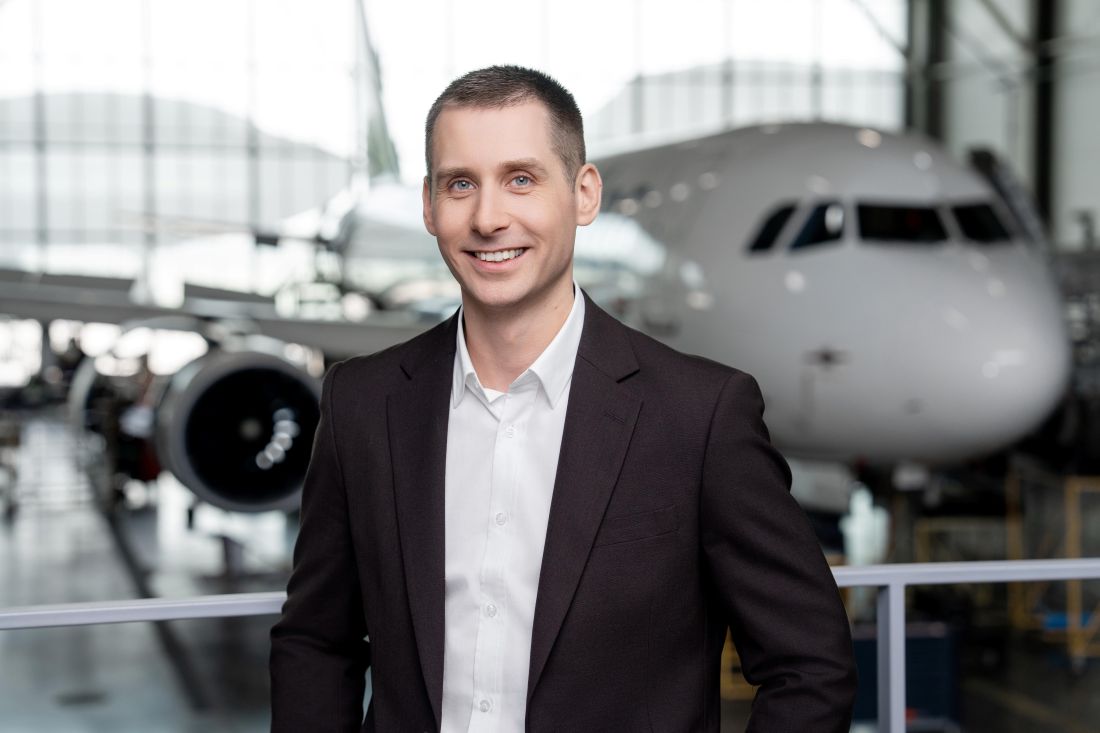
Mazvydas Matazinskas, Head of Logistics and Warehousing Department at FL Technics, shares what happens behind the scenes of aviation logistics, the challenges of managing international projects, and how his professional journey has evolved over the past decade.
How did you find your way into aviation? Was it a conscious career choice or something that happened by chance?
Aviation was never part of my childhood plan. While studying Transport Management, I knew I wanted to build a career in logistics – a decision inspired in part by my grandfather, with whom I often discussed the future of the transport industry. When it was time to look for my first job, FL Technics caught my attention, and I started my career as a warehouse operator. From day one, I realised that aviation logistics requires not only precision but also the ability to adapt quickly to constantly changing situations. What attracted me most was the opportunity to learn. The deeper I became involved in supply chain management, customs procedures, international transportation and aviation regulations, the more I realised how complex and fascinating this industry truly is. Looking back today, I can say that life brought me into aviation, but choosing to stay and build my career here was a conscious decision. Even after ten years, this industry continues to challenge me to learn, improve and search for better solutions every day.
You have spent 10 years building your career within the same company. How have your responsibilities evolved during that time?
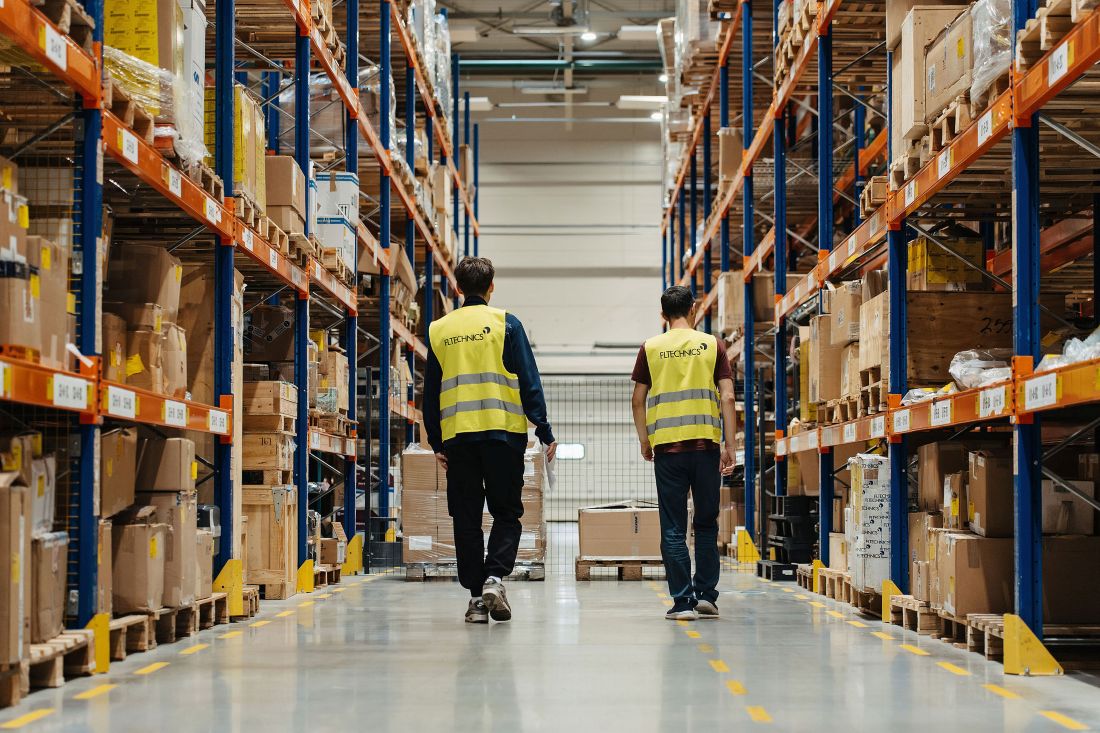
Over the past decade, I have had the opportunity to work in several different roles, each giving me a broader understanding of logistics. I started in warehouse operations, coordinated customs procedures, organised international shipments, and managed time-critical AOG logistics. Along the way, I also gained experience in areas such as compliance, finance, sales and international cooperation, which helped me understand how every part of the business contributes to successful logistics operations. Every position helped me better understand how the entire supply chain works. Today, I lead the Logistics and Warehousing Department, but I still believe that a good leader must understand the business from the ground up and stay connected to the day-to-day challenges faced by the team. I still enjoy walking through the warehouse, talking to colleagues and seeing processes firsthand. I believe the best decisions are made when leaders stay close to the people and operations they are responsible for.
Many people associate logistics with warehousing or transportation. What does aviation logistics actually involve?
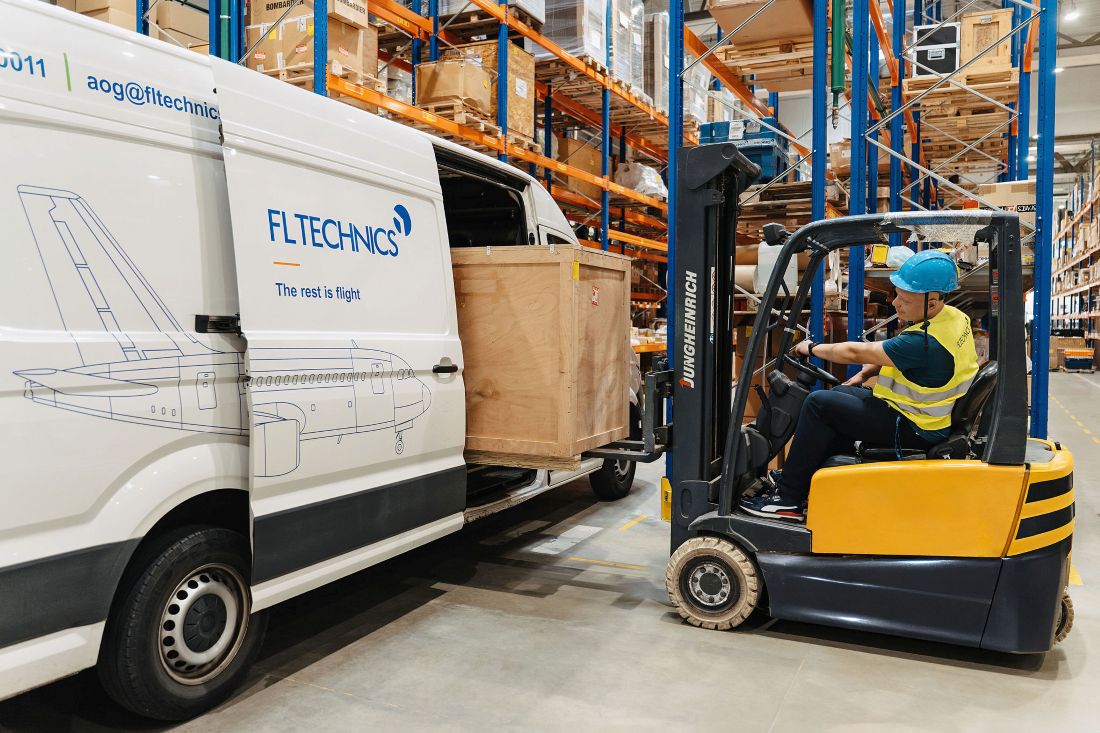
In simple terms, aviation logistics is about transporting and storing aircraft parts and components. Our work ranges from handling small shipments to transporting complete aircraft engines. Engine transportation requires highly specialised knowledge and cannot be entrusted to just any logistics provider. Aircraft engines are extremely sensitive, and individual components can be worth tens of thousands of euros.
Every project in aviation logistics requires a tailored approach. We constantly respond to changing situations, coordinate operations across multiple countries, and work closely with partners and teams worldwide. A single aircraft component may travel across several continents before reaching its final destination – manufactured in one country, stored in another, repaired somewhere else and finally installed on an aircraft thousands of kilometres away. Our role is to connect every link in that chain into one seamless process. That dynamic is what makes this profession so rewarding – every day brings new challenges that require speed, precision, and teamwork. At the same time, aerospace logistics is built on strict quality and traceability requirements. It is not enough to deliver a part on time, it must also arrive with the correct certification, documentation and full traceability throughout its entire journey. Behind every successful operation is a coordinated effort by people working towards the same goal: keeping aircraft safely in service.
What has been the most challenging or memorable logistics project of your career?
Throughout my career, I have been involved in a wide range of projects, from improving logistics processes and implementing new solutions to supporting international business initiatives. Together with my team, we introduced a Transportation Management System (TMS), standardised logistics processes across the organisation, implemented KPI-driven performance monitoring and established a 24/7 logistics support team serving customers worldwide. These initiatives helped build a faster, more efficient and more standardised logistics organisation. However, the most memorable experience was preparing for the launch of FL Technics’ new aircraft maintenance hangar in the Dominican Republic.
It meant working in a completely new market, where we had to build logistics processes from the ground up, establish cooperation with local authorities and partners, and adapt to a different legal and cultural environment. The challenge was not simply delivering equipment across the world – it was making sure that every logistics process was fully operational from day one. The project demonstrated that logistics is far more than transportation – it plays a vital role in business growth and international expansion. Perhaps the biggest lesson I learned was that projects of this scale are never the achievement of one individual. Their success depends on strong teamwork, trusted partners and people working towards a common goal.
What continues to motivate you after 10 years in the industry?
What motivates me most is that no two days are ever the same. Every day brings new situations, challenges, and opportunities to learn. Aviation logistics is constantly evolving, which means we must keep improving as well – finding more efficient solutions, refining processes, and adapting to new circumstances.
The greatest satisfaction comes from creating processes that help the entire team work faster, more efficiently, and prevent problems before they arise. That continuous learning and the opportunity to tackle new challenges every day are what keep me motivated after all these years.
If you had to compare aviation logistics to a sport, which one would it be and why?
It would definitely be Formula 1. People usually only see the final result, but behind it are hundreds of decisions, meticulous preparation, and a team that must operate as one perfectly synchronised machine. I believe that perfectly reflects what aviation logistics is all about.